Navigating Fertility Challenges: Pollen Allergies and Pregnancy in Japan
Introduction
Pollen Allergies and Fertility Efforts: An Intertwined Concern
As spring arrives, pollen allergies afflict many, significantly diminishing their quality of life with symptoms like sneezing, runny nose, and itchy eyes. For women in their late 30s and early 40s actively trying to conceive, pollen allergies can present an even more daunting challenge.
“Must I endure these harsh symptoms?” “What if medication affects my baby…?”
Many grapple with these anxieties, lost in a sea of information, unsure of the right choices.
Who Should Read This Article and What to Expect
This article primarily targets women in their late 30s to 40s who are trying to conceive or wish to become pregnant. We will explore the impact of pollen allergies and other allergies on fertility efforts, discuss appropriate medication choices while considering pregnancy, and introduce self-care methods that don’t rely on medication, incorporating expert opinions.
This guide is packed with practical tips to help you navigate pollen allergy symptoms with confidence during your fertility journey and reduce your mental burden.
Why Are Pollen Allergies Increasing? A Modern Dilemma
Could Lifestyle and Dietary Changes Be Triggering Allergies?
Have you noticed an increasing number of people suffering from pollen allergies and other allergic diseases in recent years? I’ve personally witnessed more individuals around me struggling with pollen allergies. Factors contributing to this include the increased pollen dispersal due to afforestation policies (like Japanese cedar and cypress), air pollution, and the heightened risk of allergic diseases in urbanized environments. Our changing lifestyles and dietary habits may also play a significant, often overlooked, role in the development of allergic tendencies.
The Surprising Link Between Pollen Allergies and Infertility
The Connection Between Immunity, Hormones, and Fertility
Pollen allergies arise from an overreaction of the body’s immune system to pollen. This immune balance is, in fact, deeply connected to the establishment and maintenance of pregnancy.
T regulatory cells (Tregs), a type of immune cell, play a crucial role in suppressing allergic reactions. They also perform a vital function during pregnancy. A fertilized egg and fetus are, in a sense, “foreign objects” to the mother’s body. Tregs increase in the uterine lining from the implantation stage, helping to maintain pregnancy by suppressing the mother’s immune response to the fetus.
Therefore, a reduced number of Tregs might lead to an overactive immune response against the fertilized egg or fetus, potentially increasing the risk of implantation failure or miscarriage. A predisposition to allergies can sometimes be linked to the reduced function of Tregs, suggesting that an allergic constitution itself might adversely affect fertility efforts.
How Allergic Tendencies Impact Fertility Efforts
An allergic constitution suggests an imbalance in the immune system, which can lead to a decrease in Tregs. Some experts believe that an internal environment prone to allergic symptoms like pollen allergies can hinder conception.
Pollen allergy symptoms affecting the eyes and nose can cause irritability, insomnia, and emotional instability. Such stress can negatively impact essential fertility hormones secreted by the pituitary gland (like FSH and LH) and by the ovaries (like progesterone and estrogen). This can potentially lead to decreased egg quality, ovulation disorders, unruptured follicles, thinning of the uterine lining, and luteal phase defects.
Notably, there are reports suggesting that luteal phase defects can be associated with increased susceptibility to allergic reactions. It is important to consider that enduring severe pollen allergy symptoms might exacerbate physical and mental stress, ultimately impacting fertility efforts.
Expert Opinions and Evidence
Some experts suggest that while not all individuals with pollen allergies face difficulties conceiving, “an internal environment prone to allergies can sometimes impede pregnancy.” They emphasize the importance of addressing allergies within fertility efforts. This is because an imbalance in the body’s immune system makes one more susceptible to allergic symptoms, and this same immune balance is crucial for conception.
However, an “imbalance in the immune system” does not directly equate to “infertility or recurrent miscarriage.” Nevertheless, optimizing your body’s condition to manage allergy symptoms during fertility efforts can be a step towards achieving pregnancy.
Pollen Allergy Medications and Their Impact on Fertility Efforts
Pollen Allergy Medications Safe for Use and Those to Avoid During Fertility Efforts
Many individuals feel anxious about taking pollen allergy medication while trying to conceive. However, most over-the-counter antihistamines are generally considered safe to take during fertility efforts without impacting pregnancy.
Eye drops and nasal sprays are also typically safe for use during this period.
However, some over-the-counter medications advise against use if pregnancy is possible. If you have concerns, consult a pharmacist or visit an ENT specialist, informing them you are trying to conceive.
Specifically, non-steroidal anti-inflammatory drugs (NSAIDs) like loxoprofen and ibuprofen, often used for pain relief around ovulation, can suppress ovulation. During fertility efforts, it is advisable to opt for pain relievers containing acetaminophen.
Cases of Pregnancy Discovered While Taking Pollen Allergy Medication
Medication taken up to 4 weeks and 0 days of gestation (the point of a positive pregnancy test) is generally considered to have minimal impact on the fetus. Therefore, there is usually no need for excessive worry about taking pollen allergy medication before realizing you are pregnant.
However, if there is a possibility of pregnancy, it is advisable to refrain from using over-the-counter medications as a precaution. Once pregnancy is confirmed, discontinue use and consult your doctor, providing details about the medication and duration of use.
While many antihistamines have not shown clear adverse effects during pregnancy, some have demonstrated adverse effects in animal studies. Therefore, self-medication should be avoided.
Safe Medication Choices During Early and Mid-Pregnancy
Early pregnancy (weeks 4-7) is a critical period for the development of the baby’s major organs, including the nervous system, heart, digestive system, and limbs, making it particularly sensitive to medication.
Ideally, medication-based treatments should be avoided during this phase.
If symptoms are severe, topical medications like nasal sprays and eye drops are considered first. These have minimal absorption into the bloodstream, thus posing less risk to the fetus.
From mid-pregnancy onwards (after week 13), the baby’s organ development is mostly complete, reducing the risk of birth defects. Under medical supervision, oral medications considered relatively safe, such as antihistamines like loratadine (Claritin), cetirizine (Zyrtec), and fexofenadine (Allegra), may be considered. However, it is crucial to consult a doctor rather than self-medicating with over-the-counter drugs. They will advise on appropriate treatments based on your pregnancy stage and symptoms.
Sublingual immunotherapy for allergies is not recommended during pregnancy. If you are already undergoing treatment, discuss its continuation with your doctor.
Use of Over-the-Counter Drugs, Kampo Medicines, and Supplements?
When choosing over-the-counter medications, inform the pharmacist that you are trying to conceive or are pregnant to select safe options. Be particularly cautious with some over-the-counter nasal sprays containing vasoconstrictive ingredients, which might affect uterine contractions.
While Kampo medicines are often perceived as “natural and safe,” some contain ingredients that should be avoided during fertility efforts or pregnancy. For instance, Sho-seiryu-to, a Kampo medicine for pollen allergies, has a drying effect that might reduce cervical mucus, potentially hindering conception efforts, especially around ovulation. If you wish to use Kampo medicine, always consult a doctor or pharmacist.
Supplements for pollen allergy management include tea (like Tencha), perilla extract, and polyphenols. These are generally considered safe during pregnancy and may be effective if taken continuously before and during the pollen season.
How Pollen Allergy Affects Well-being, Mood, and Relationships
The Impact of Pollen Allergies on Quality of Life, Mood, and Partnerships
Pollen allergy symptoms severely degrade one’s quality of life. Sneezing, runny nose, itchy eyes, fatigue, difficulty concentrating, and irritability impose a significant mental burden, often leading to a low mood.
Fertility efforts already entail considerable physical and emotional stress. Adding pollen allergies can intensify this burden. It can also lead to reduced opportunities for sexual intimacy or affect communication with your partner due to feeling unwell.
Sexual Activity and Fertility Attempts During Pollen Season
It is certainly possible to conceive even during the peak of pollen allergy season. There are no reports suggesting that pollen allergies directly impact egg or sperm quality, so excessive worry is unnecessary.
However, if the woman is taking pollen allergy medication, some nasal decongestants might also reduce vaginal lubrication, potentially making intercourse uncomfortable. It is important not to force yourself; consider using medication to alleviate symptoms or take a break if you feel unwell. Prioritize your comfort.
If undergoing fertility treatment, there is generally no need to interrupt the treatment solely due to pollen season. While severe pollen symptoms might affect the response to nasal sprays used for ovulation induction in IVF, pollen allergy medications themselves are usually safe to use during fertility treatments. It is advisable to temporarily stop them once the luteal phase begins and check for pregnancy at the clinic.
Frequently Asked Questions (FAQ)
Q. Can sneezing, coughing, or blowing my nose lead to miscarriage?
A. No, that is not the case. The intra-abdominal pressure generated during sneezing or coughing does not lead to miscarriage.
Q. Is it safe to use nasal spray for pollen allergies?
A. Prescription nasal sprays, even those containing steroids, have minimal absorption into the bloodstream and are generally considered safe to use at any stage of pregnancy. However, some over-the-counter nasal sprays contain vasoconstrictive ingredients, so avoid self-medication and consult a doctor or pharmacist.
Q. Do pollen allergies tend to worsen during pregnancy?
A. During pregnancy, changes in estrogen levels and body water content can make the nasal mucosa more prone to congestion and swelling, potentially worsening pollen allergy symptoms. Some individuals may even develop pollen allergies for the first time during pregnancy.
Points on Supplements and Diet
Improving gut health can boost immunity and help alleviate allergy symptoms.
- Lactic acid bacteria: Effective for improving gut health and boosting immunity. Actively consume fermented foods like yogurt.
- Vitamin A: Important for maintaining normal mucous membrane barrier function. However, excessive intake, especially in early pregnancy, can increase the risk of birth defects, so caution is advised with foods like liver.
- Vitamin C and carotene: Beneficial for antioxidant effects and protecting mucous membranes. Spring cabbage is rich in these nutrients and may help inhibit allergic reactions.
- Polyphenols: Abundant in berries, they have anti-inflammatory effects. Supplements like Tencha and perilla extract are also considered helpful for alleviating pollen allergy symptoms.
- Seafood: Omega-3 fatty acids like DHA and EPA found in oily fish can help reduce inflammation.
- Aromatic vegetables (e.g., perilla): Aim for a diet that promotes the smooth flow of “Qi” and avoids burdening the digestive system.
Practical Aspects of Acupuncture and Alternative Medicine
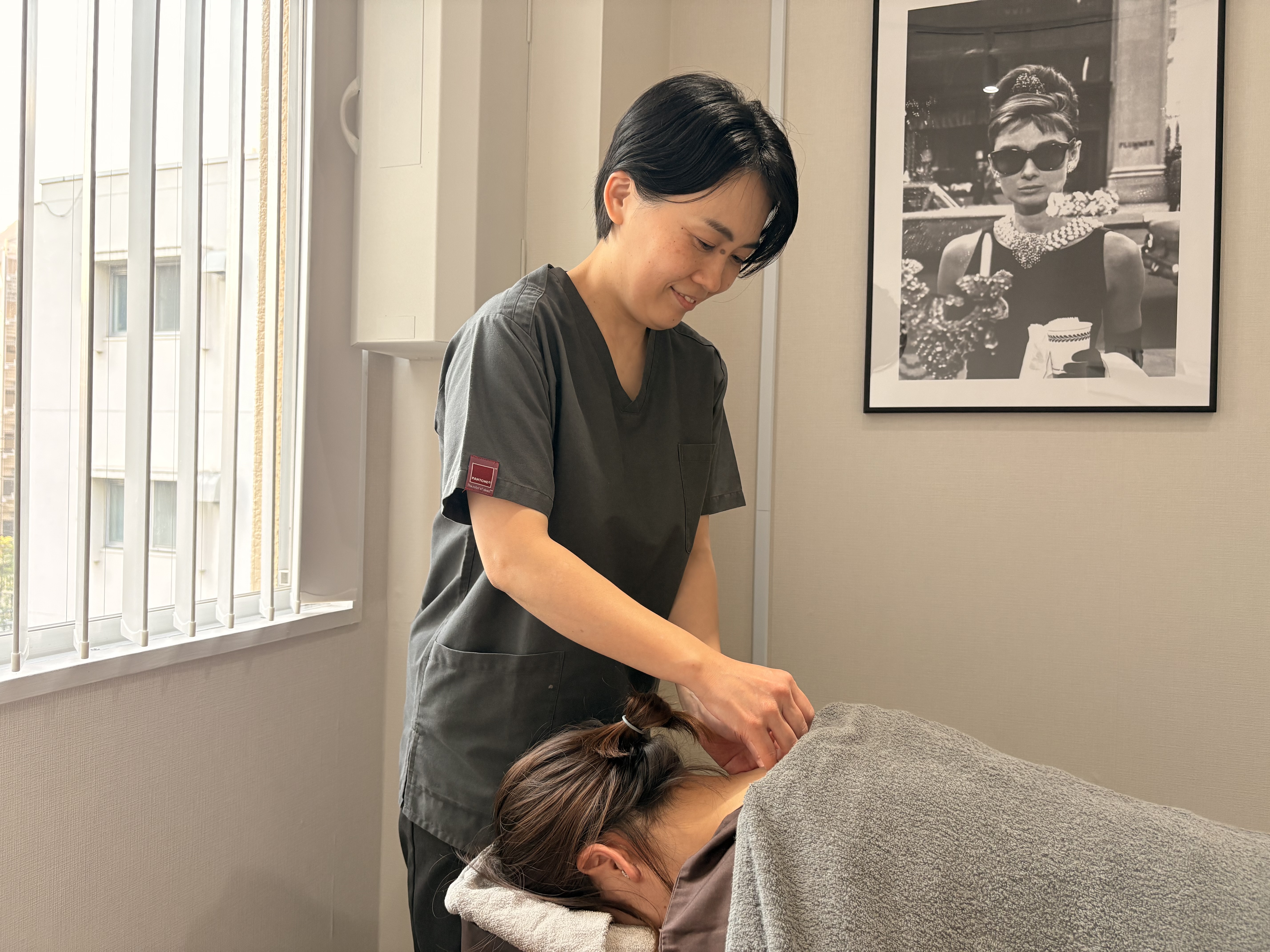
In Traditional Eastern Medicine, spring is considered a time when the “liver” (Kan) function is active, facilitating the elimination of toxins from the body. This detoxification process can sometimes make pollen allergy symptoms more prominent.
Acupuncture treatment aims to enhance parasympathetic nerve activity, increase white blood cells, and improve intestinal function, thereby helping to balance the immune system.
Eastern Medicine also posits that “Qi” forms a protective layer on the body’s surface; regulating the flow of Qi can improve skin barrier function and digestive function.
Specialized acupuncture clinics for infertility often adopt an approach that addresses both infertility and allergic tendencies simultaneously. They can also provide treatments to alleviate acute allergy symptoms.
Recommended Habits and Self-Care for Pregnant and Fertility-Seeking Women
- Quality Sleep: Overwork and stress disrupt the autonomic nervous system’s balance, weakening immunity and worsening pollen allergies. Ensure sufficient sleep and maintain a regular lifestyle.
- Stress Management: Incorporate relaxing activities into your life and avoid accumulating stress. Moderate exercise can also be effective for stress relief.
- Nasal Rinsing: Effective for washing away pollen and allergens from the nasal cavity. Use saline solution and perform it before bed or upon returning home.
- Morning Attack Prevention: To prevent morning attacks caused by pollen settling on the floor during the night and getting stirred up in the morning, a habit of wiping the floor with a damp cloth upon waking can be helpful.
Advice from Doctors and Specialists
How to Manage Pollen Allergies During Fertility Efforts and Pregnancy
Many women trying to conceive or who are pregnant may endure pollen allergy symptoms due to concerns about medication use. However, forcibly suppressing severe symptoms can increase physical and mental stress, potentially leading to a decline in overall health.
The most important step is to consult a doctor or specialist early on rather than suffering alone. If you visit an allergy clinic and inform them you are “hoping to become pregnant” or are “undergoing fertility treatment,” they can prescribe appropriate pollen allergy medications.
Fertility Treatment and Pollen Allergy Care: The Importance of Partnership
During fertility treatment, you may be prescribed various medications, raising concerns about interactions with pollen allergy drugs. It is crucial to disclose all medications you are taking and any pre-existing conditions to your fertility specialist to ensure a safe treatment plan.
While allergen immunotherapy (sublingual or subcutaneous) is a fundamental treatment for pollen allergies, it is not recommended to start during pregnancy. However, if treatment has already begun, continuation may be decided by your doctor.
Consider your life plan and discuss treatment options thoroughly with your doctor.
Choosing Where to Seek Advice and Care
- Obstetrician/Gynecologist: It is recommended to first consult your regular obstetrician/gynecologist regarding pollen allergies during fertility efforts or pregnancy. They can provide advice and prescriptions considering the bodily changes during pregnancy and potential effects on the fetus.
- Allergist/ENT Specialist: For specialized diagnosis and treatment of pollen allergies, consult an allergist or ENT specialist. Inform them of your desire to conceive, and they will propose treatment options accordingly.
- Pharmacist: Consulting a pharmacist is also beneficial when purchasing over-the-counter medications or if you have concerns about medications you are already taking.
Conclusion and What You Can Do Now
Don’t Suffer Alone: Addressing Both Pollen Allergies and Fertility Concerns
Severe pollen allergy symptoms can be a significant emotional and physical burden for women trying to conceive. However, with appropriate knowledge and measures, symptoms can be managed, allowing for a more confident fertility journey.
While concerns about allergic tendencies impacting fertility and medication choices may persist, it is essential to seek reliable information and professional advice rather than struggling alone.
Reliable Information Sources and When to Seek Medical Attention
- Trusted Medical Institutions: Consult doctors at obstetric/gynecology clinics, allergy clinics, ENT clinics, and pharmacists.
- Upon Discovering Pregnancy: Once pregnancy is confirmed, immediately report all medications you are taking to your doctor and discuss future treatment plans.
- If Symptoms Worsen: If self-care measures do not improve your symptoms or if they significantly interfere with your daily life, do not hesitate to seek medical attention.
Review of Key Points from This Article and References
- Pollen allergies and other allergic tendencies may be linked to immune imbalance, indirectly affecting fertility efforts.
- Taking pollen allergy medication during fertility efforts is generally considered safe, but consult a doctor if pregnancy is possible.
- Extreme caution is advised with medication in early pregnancy; topical treatments like nasal and eye drops are prioritized. In mid-pregnancy and beyond, certain oral medications with confirmed safety may be used under medical supervision.
- Beyond medication, actively incorporate pollen avoidance, dietary adjustments, stress management, acupuncture, and other self-care and alternative therapies.
- It is crucial to consult doctors and specialists for pollen allergies and fertility concerns, rather than facing them alone.