Fertility Treatment and Sleep: The Deep Connection – “Smart Sleeping” for Eggs, Hormones, and Stress
Introduction
Understanding “Sleep and Infertility” for Fertility Treatment
Are you getting enough sleep during your fertility journey? In fact, sleep is an essential element in creating a body conducive to pregnancy. In Japan, data shows that about 40% of women in their 20s and 30s sleep 6 hours or less, and many feel sleep-deprived. However, sleep quality and duration are deeply related to pregnancy rates. This issue is an important theme for women undergoing fertility treatment in Japan.
This article provides the latest information based on scientific evidence regarding the relationship between fertility treatment and sleep. Specifically, for readers undergoing infertility treatment, we will explain in detail the effects of sleep on eggs and hormones, its connection with the autonomic nervous system and stress, and methods for achieving high-quality sleep.
Why Sleep is Now Key to Fertility Treatment
In modern society, the burdens on women are increasing due to work, housework, childcare, and caregiving. Furthermore, factors such as later marriage, lack of exercise, unbalanced diet, and demanding office work can disrupt the mind-body balance without one realizing it, leading to infertility. In such situations, sleep is not just rest; it plays a crucial role in body repair, fatigue recovery, and promoting the secretion of hormones necessary for pregnancy.
Sleep deprivation disrupts the body’s internal clock, leading to a cascade of negative effects, including hormonal imbalances, increased stress hormones, and weakened immune function. Research indicates that these issues negatively affect reproductive function in both men and women, increasing the risk of infertility. Therefore, acquiring “smart sleeping” habits is now considered paramount for successful fertility treatment.
Evidence on Sleep and Pregnancy Rates
Relationship Between Sleep Duration/Quality and Pregnancy Rates (Latest Research)
Recent studies have shown a clear relationship between sleep duration and pregnancy rates. A large-scale survey conducted in the United States found that the ideal sleep duration for women undergoing fertility treatment is 7-8 hours. Compared to women who slept 8 hours a day, those who slept less than 6 hours had a pregnancy rate of 0.89, and those who slept more than 9 hours had a rate of 0.96. This suggests that an appropriate amount of sleep, neither too short nor too long, is more conducive to pregnancy.
Furthermore, a 2022 study reported that women who slept less than 7 hours had approximately 11.5% fewer eggs retrieved during in vitro fertilization (IVF) compared to those who slept 7-8 hours. This indicates that sufficient sleep can also affect egg count. Additionally, bedtime is important, with recent research suggesting that going to bed after 10:45 PM may increase the risk of infertility.
Sleep “quality” also significantly impacts pregnancy rates. Even if you sleep enough hours, if your sleep is light or you wake up multiple times during the night, your sleep quality is likely compromised. Many studies show that women with sleep disorders such as insomnia or sleep apnea tend to have lower pregnancy rates. Data from a 2023 Chinese study revealed that a high percentage of women undergoing fertility treatment perceive their sleep quality as poor, and those experiencing difficulty falling asleep tend to have less favorable outcomes in fertility treatment.
Effects of Sleep Deprivation on Eggs, Sperm, and Hormones
Sleep is closely linked to the secretion of hormones essential for pregnancy. During sleep, various hormones become active in our bodies, preparing them for conception.
- Melatonin: This sleep-inducing hormone protects eggs from oxidative stress and supports egg development with its anti-aging effects. Sleep deprivation inhibits melatonin secretion, leading to a decline in egg quality.
- Prolactin: This hormone is involved in milk production but is normally secreted with sufficient sleep, regulating ovarian function. Excessive or insufficient secretion can affect ovulation and egg quality.
- Luteinizing Hormone (LH) and Follicle-Stimulating Hormone (FSH): These hormones promote follicle growth and ovulation. Sleep deprivation disrupts the secretion rhythm of these hormones, making it difficult to maintain a regular menstrual cycle.
- Testosterone (Male): This male hormone is crucial for sperm production and is mainly secreted during deep sleep at night. Sleep deprivation and poor sleep quality lead to decreased testosterone secretion, negatively affecting sperm count, motility, and morphology.
These hormonal imbalances directly impact the quality of eggs and sperm, as well as the timing of ovulation, leading to reduced pregnancy rates.
Risks of Autonomic Nervous System Imbalance, Stress, and Nocturnal Lifestyles on Fertility Treatment
The autonomic nervous system maintains the balance of the mind and body and regulates the function of blood vessels and internal organs. Imbalance in the autonomic nervous system poses a significant risk in fertility treatment.
- Autonomic Imbalance: Chronic stress, sleep deprivation, and nocturnal lifestyles disrupt the balance of the autonomic nervous system, particularly reducing the function of the “parasympathetic nervous system.” The parasympathetic nervous system enhances blood flow to internal organs and activates the functions of the uterus and ovaries, making it crucial for fertility treatment. Imbalance can lead to poor blood circulation, causing coldness, insomnia, irritability, and decreased concentration, ultimately resulting in a body less conducive to pregnancy.
- Stress: During fertility treatment, it is easy to experience various stresses, including anxiety about treatment, expectations, and pressure from others. Chronic stress leads to excessive secretion of the stress hormone cortisol, which interferes with the function of reproductive hormones. Stress also disrupts the autonomic nervous system, potentially causing hormonal imbalances, ovulation disorders, decreased sperm quality in men, and sexual dysfunction, all of which can lead to infertility in both men and women.
- Nocturnal Lifestyle: Working late, using smartphones extensively, and irregular meal times disrupt the body’s internal clock and suppress the secretion of melatonin, the sleep hormone. This can lead to decreased egg quality and irregular menstruation.
These factors often act in combination, negatively impacting fertility treatment, making conscious efforts to improve them essential.
Ideal Sleep Habits and Fertility Treatment Points
Optimal Sleep Duration and Timing for Women and Men
The ideal sleep duration for both women and men undergoing fertility treatment is 7-8 hours. Ensuring this amount of sleep allows the body to recover and helps regulate hormonal balance necessary for pregnancy.
- Women: Sleeping less than 6 hours tends to decrease pregnancy rates, while sleeping more than 9 hours also lowers them. In IVF egg retrieval, less than 7 hours of sleep is linked to a reduction in retrieved eggs, so aim for 7-8 hours of appropriate sleep.
- Men: Similar to women, both excessively long and short sleep durations can reduce pregnancy rates. When 8 hours is the baseline, sleeping less than 6 hours or more than 9 hours leads to decreased pregnancy rates. Notably, testosterone, essential for sperm production, is largely secreted during deep sleep at night, so securing 6-8 hours of adequate sleep contributes to improved sperm quality.
Bedtime is also said to influence pregnancy. Recent research indicates that going to bed after 10:45 PM may increase the risk of infertility. Aim to get 7-8 hours of sleep daily and go to bed by 10:45 PM whenever possible.
“Smart Sleeping” for Both IVF and Natural Conception
For those pursuing IVF or natural conception, high-quality sleep is a crucial key to success. Practice the following “smart sleeping” methods to create a body more conducive to pregnancy:
- Regular Lifestyle Rhythm: Going to bed and waking up at the same time each day regulates the body’s internal clock and stabilizes hormonal rhythms. It’s important to maintain the same rhythm on weekends as on weekdays.
- Optimize Bedroom Environment: A comfortable bedroom environment is essential for high-quality sleep. Maintain a room temperature of 18-23°C and humidity of 50-60%. Dim the lights about an hour before bed. Sleeping in complete darkness promotes the secretion of melatonin, the sleep hormone.
- Relax Before Bed: Avoid using electronic devices that emit blue light, such as smartphones and computers, 1-2 hours before bedtime. Taking a warm bath (38-40°C) for about 20 minutes, light stretching, aromatherapy, or reading can be effective ways to incorporate relaxing night routines.
- Dietary Considerations: Caffeine and alcohol can reduce sleep quality, so avoid them after the evening. Consuming foods rich in tryptophan (e.g., tofu, nuts), B vitamins (e.g., pork, liver), and magnesium (e.g., seaweed, blue fish) which support sleep is recommended.
- Moderate Exercise: Moderate exercise during the day leads to better sleep at night. Incorporate activities like walking, yoga, or light strength training within a reasonable range. However, avoid intense exercise right before bed, as it can be counterproductive.
8 Practical Methods to Improve Sleep Quality
Improving sleep quality is essential for successful fertility treatment. Here are 8 practical methods you can start implementing today:
Creating a Comfortable Sleep Environment and Bedding
- Adjust Room Temperature and Humidity: The ideal room temperature is 18-23°C and humidity is 50-60%. Use air conditioners and humidifiers as needed to maintain a comfortable environment.
- Optimize Lighting: Dim the lights to about half intensity an hour before bed and use blackout curtains to ensure darkness during sleep. It’s important to reset your internal clock by exposing yourself to natural light in the morning.
- Block Out Noise: Noise can make it difficult to fall asleep and disrupt sleep. A quiet bedroom is ideal, but earplugs or a white noise machine can be helpful if complete silence isn’t possible.
- Choose Comfortable Bedding: Select pajamas with a pleasant feel, a mattress that evenly distributes body pressure, and a pillow that suits your body shape. Natural materials like cotton with good absorbency are recommended.
Reviewing Lifestyle Habits (Diet, Exercise, Bathing, etc.)
- Eat a Nutritionally Balanced Diet: A balanced diet is crucial for both high-quality sleep and fertility treatment. Consciously consume nutrients that enhance sleep quality, such as tryptophan, GABA, magnesium, and B vitamins. Also, actively supplement with nutrients essential for pregnancy, like folic acid, iron, and vitamin D.
- Make Moderate Exercise a Habit: Moderate exercise during the day leads to better sleep at night. It’s recommended to do activities like walking, yoga, or light strength training 2-4 hours before bedtime.
- Relax in a Warm Bath: Soaking in a warm bath (around 38-40°C) for about 20 minutes, 1-2 hours before bed, enhances relaxation and promotes deep sleep. Warming the body is also very important for fertility treatment.
Countermeasures for Smartphone Use and Blue Light Before Bed
- Avoid Smartphones and Blue Light Before Bed: Blue light emitted from smartphones and computers suppresses the secretion of melatonin, the sleep hormone. Stimulating information from social media and news also activates the brain. Refrain from using electronic devices for an hour before bed and switch to relaxing activities.
Recommended Night Routine Examples
Establishing a “preparation for sleep” time at the same hour each night helps your body naturally transition into sleep mode.
- Drink Herbal Tea: Enjoy warm herbal teas like chamomile or lavender, known for their relaxing effects.
- Light Stretching or Yoga: Gently stretch your body to relieve muscle tension.
- Use an Aroma Diffuser: Create a relaxing atmosphere with scents like lavender or ylang-ylang.
- Read a Book: Reading a physical book can help calm your mind without overstimulating your brain.
- Talk with Your Partner: Calmly discussing the day’s events can relieve stress and deepen your bond.
Fertility Support with Acupuncture
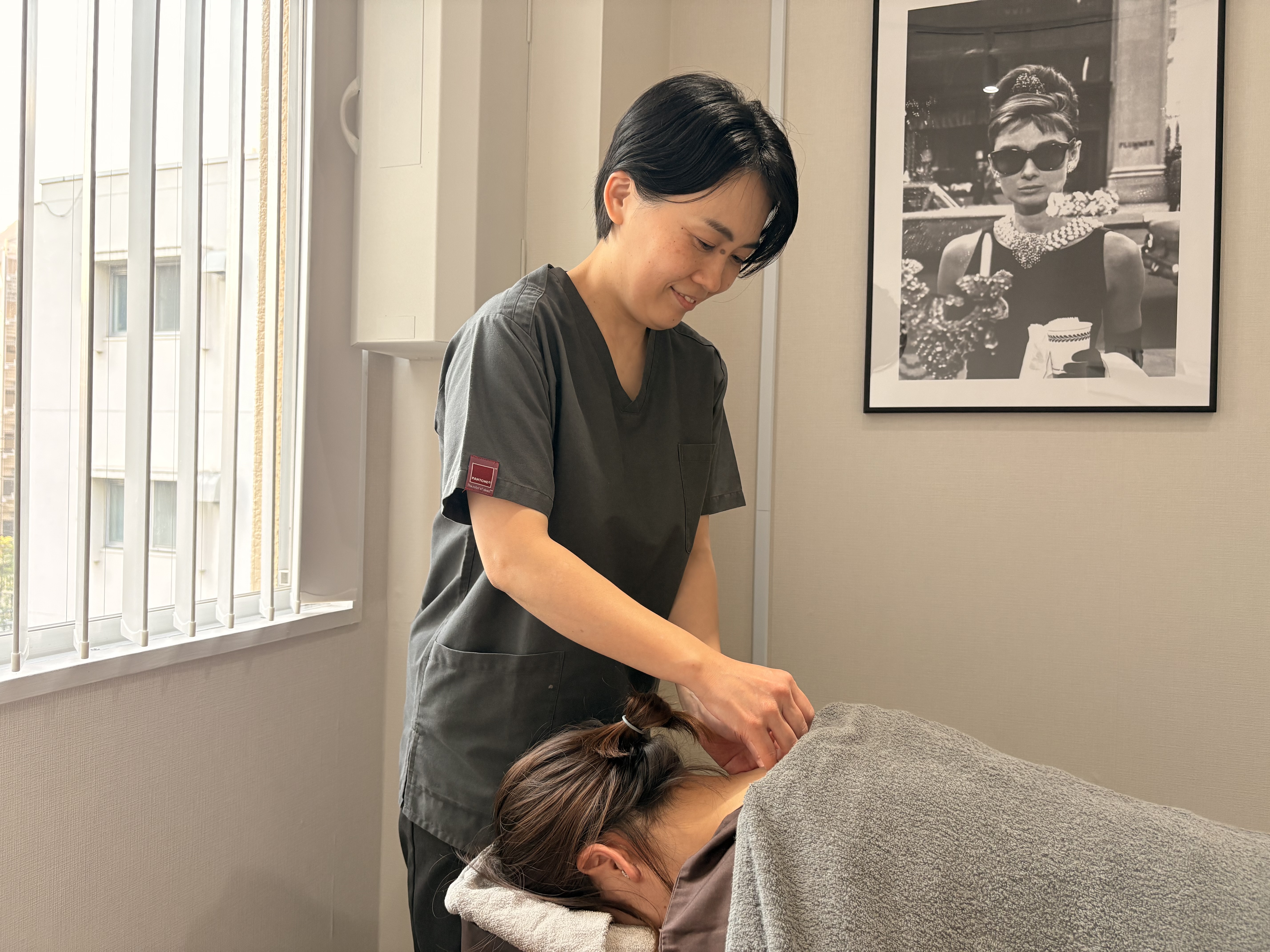
In addition to infertility treatments, incorporating acupuncture based on Traditional Eastern Medicine can provide support for both mind and body. Acupuncture is believed to enhance the body’s natural ability to conceive and support the creation of a “body conducive to pregnancy.”
How Acupuncture Supports Autonomic Nervous System and Sleep Quality
Acupuncture is expected to be effective in regulating the autonomic nervous system, promoting blood circulation, and stabilizing hormonal balance.
- Autonomic Nervous System Regulation: Acupuncture stimulates nerve endings, balancing the sympathetic and parasympathetic nervous systems and guiding the body towards a relaxed state (parasympathetic dominance). Stress during fertility treatment can easily lead to autonomic imbalance, so acupuncture care contributes to mental stability. It improves sleep quality and helps alleviate difficulties falling asleep and frequent awakenings.
- Blood Circulation Improvement: The stimulation from acupuncture on the skin and muscles improves blood flow in the pelvic region, including the uterus and ovaries. Enhanced blood flow ensures adequate oxygen and nutrient supply to the uterine lining, promoting the formation of a thick and supple endometrium, thus creating a favorable environment for implantation. It also promotes nutrient supply to the follicles, potentially improving egg quality.
- Hormonal Balance Adjustment: Regulation of the autonomic nervous system and improved blood circulation are also expected to stabilize the secretion rhythm of female hormones. This can improve the quality and regularity of ovulation, supporting the creation of a body conducive to pregnancy.
Numerous studies suggest that acupuncture may be beneficial in increasing IVF pregnancy rates and reducing miscarriage rates. Specifically, data shows a significant increase in pregnancy rates when acupuncture is performed before and after embryo transfer. For male infertility, acupuncture has demonstrated effectiveness in improving testicular blood circulation and prostate function, leading to improved sperm count and motility.
Around 30 minutes before bedtime, gently press these acupoints with your fingertip for 3-5 seconds, then slowly release, repeating 3-5 times. A comfortable level of stimulation is sufficient. If using moxibustion, commercially available stick-on moxa are safe.
Frequently Asked Questions (FAQ)
Coping with “Partner Falls Asleep During Crucial Timing Day”
A common concern is, “I told my husband today is an important timing day, but he fell asleep first.” This can happen when men feel pressure or are dealing with work stress. Women may also feel sleepy around ovulation.
- Reduce Pressure: Avoid overemphasizing “timing day.” Cherish natural physical affection daily. Holding hands or giving light massages releases oxytocin, the “happiness hormone,” increasing mutual affection and naturally leading to intimacy.
- Increase Intercourse Frequency: Increasing the frequency of intercourse daily, rather than focusing on specific days, can also be effective. Sperm are produced daily, and regular ejaculation helps refresh sperm quality.
- Be Considerate of Fatigue: Suppress feelings of irritation like “Why did you fall asleep?!” First, empathize with your partner’s feelings and show care for their fatigue. Building a relationship where you cooperate and avoid accumulating stress is important.
- Utilize Naps: If the woman feels sleepy, taking short naps during the day or afternoon can help compensate for sleep deprivation.
Measures for Difficulty Falling Asleep / Insomnia
Trouble falling asleep or staying asleep is often caused by stress during fertility treatment and autonomic nervous system imbalance.
- Relax the Brain: If the brain is overstimulated before bed, it’s hard to fall asleep. Trying to cool the back of the head or the forehead can be helpful. Wrap an ice pack in a towel and apply it.
- Practice Night Routines: Performing relaxing pre-sleep routines at the same time each night naturally triggers a “sleep switch.”
- Limit Caffeine and Alcohol: Avoid caffeinated beverages after the evening, and limit alcohol intake to small amounts at least 3 hours before bed.
- Give Up on Trying to Sleep: If you really can’t sleep, the compulsion to “must sleep” further pushes sleep away. Get out of bed for a while, read quietly, and then return to bed when you feel sleepy again. Drinking a warm beverage can also be helpful.
- Utilize Acupuncture: Acupuncture treatment is expected to regulate the autonomic nervous system and improve sleep quality. Seeking professional treatment can aim for fundamental constitutional improvement.
Advice for Shift Work or Late Nights
Shift work and irregular late nights can disrupt the internal clock and negatively impact sleep.
- Secure Sleep Time as Much as Possible: There is no clear data directly linking shift work itself to reduced fertility rates. The key is to secure 7-8 hours of sleep as much as possible, even with irregular work schedules.
- Establish a Consistent Sleep Rhythm: Create your own rules, such as sleeping for 6-7 hours consecutively during the day after night shifts, or ensuring at least 7 hours of sleep before day shifts, to establish a consistent sleep rhythm.
- Enhance Sleep Quality: Even with irregular sleep times, strive to improve sleep quality by optimizing the bedroom environment and incorporating pre-sleep routines.
- Get Daylight Exposure: Getting sufficient daylight is crucial for resetting the internal clock. Try to take walks on sunny days or spend time in brightly lit areas indoors.
Conclusion: Enhance Fertility by Achieving “Good Sleep Power” Together
Sleep during fertility treatment goes beyond mere health management; it is a critical factor deeply intertwined with fertility. For both men and women, securing 7-8 hours of adequate sleep and achieving high-quality sleep leads to normalized hormonal balance, improved egg and sperm quality, and stress reduction.
To-Do List Starting Tonight
- Maintain Consistent Bedtime and Wake-up Times: Regulate your internal clock and stabilize your hormonal rhythm.
- Optimize Bedroom Environment: Pay attention to temperature, humidity, light, and sound to create a comfortable sleep space.
- Avoid Blue Light 1 Hour Before Bed: Refrain from using smartphones and PCs to relax your brain.
- Take a Warm Bath: Lowering your core body temperature 1-2 hours before bed makes it easier to fall asleep.
- Limit Caffeine and Alcohol: Avoid intake after the evening to prevent disrupting high-quality sleep.
- Eat a Balanced Diet: Consciously consume nutrients essential for sleep and fertility.
- Make Moderate Exercise a Habit: Engage in physical activity during the day to promote deep sleep at night.
- Find a Relaxing Night Routine: Calm your mind and body with methods that suit you, such as reading, stretching, or aromatherapy.
- Cooperate with Your Partner: Fertility treatment is a team effort. Respecting each other’s sleep habits and cooperating will deepen your marital bond.
- Seek Professional Support if Needed: Acupuncture can support your mind and body during fertility treatment by regulating the autonomic nervous system and improving blood circulation. Consult a reputable acupuncturist if you are interested in addressing insomnia or improving your constitution.
A Message of Encouragement to Our Readers
The journey of fertility treatment can sometimes feel long and challenging. However, every small change is a step towards pregnancy. High-quality sleep, in particular, positively impacts both mind and body, serving as an important foundation for engaging in fertility treatment with a positive outlook.
Don’t rush; try to start with small steps together as a couple. Your body will surely respond to your efforts. Starting tonight, let’s enhance your “good sleep power” and work together to prepare for welcoming a baby. We sincerely support your fertility journey.