Boosting Fertility: The Impact of Protein on Eggs, Sperm, and Hormones
Introduction
Why Protein is Key for Fertility
When embarking on fertility treatments, it’s crucial to review your diet and lifestyle. Protein, a fundamental nutrient that builds all tissues in our bodies, is gaining attention for its importance in fertility.
It’s not just about muscles and organs; protein plays a vital role in the formation of eggs and sperm, as well as in regulating hormone balance. You might wonder if protein is truly necessary during fertility treatments. However, consuming adequate protein through your diet can have numerous positive effects.
The Relationship Between Fertility and Protein
The Importance of Protein as a “Building Material” for Eggs, Sperm, and Hormones
Protein is broken down into amino acids in the body, which then serve as building blocks for cells and hormones. Since eggs and sperm are primarily made of protein, sufficient protein intake is essential for improving their quality.
- Egg Health: Adequate protein intake for women undergoing fertility treatments supports egg health and provides essential nutrients for their development. High-quality eggs can increase the chances of successful fertilization.
- Sperm Health: Protein also plays a crucial role in male fertility. It is a necessary nutrient for sperm formation, supporting the production of healthy sperm and improving their quality and quantity.
- Hormone Balance Regulation: Protein is involved in hormone secretion and the production of neurotransmitters. In particular, isoflavones found in soy protein are known to have effects similar to female hormones and may help regulate hormone balance.
Impact on Uterine Environment, Immunity, and Recovery
Protein is not only vital for reproductive cells but also essential for maintaining overall health.
- Improving the Uterine Environment: Protein is important for maintaining the thickness of the uterine lining and good blood flow. A healthy uterine environment helps create a favorable condition for embryo implantation.
- Maintaining Immunity and Supporting Recovery: Antibodies, which are crucial for the immune system, are also made from protein. Protein deficiency can make you more susceptible to colds and prolong fatigue. Sufficient protein intake helps prevent illness and inflammation, supporting your physical condition during fertility treatments.
Risks of Protein Deficiency in Fertility
Modern Japanese individuals’ daily protein intake has reportedly remained at levels similar to those in the 1950s, suggesting a tendency towards deficiency. Chronic protein deficiency can negatively impact not only reproductive function but also hormone balance, uterine health, and even fetal development.
Recommended Daily Protein Intake for Fertility and Key Points
Recommended Daily Intake (Weight-Based Estimate)
The recommended daily protein intake for fertility treatments is about 1 gram per kilogram of body weight. This is slightly higher than the recommendation for the average adult woman.
- For a weight of 45 kg: Approximately 45g
- For a weight of 50 kg: Approximately 50g
- For a weight of 55 kg: Approximately 55g
- For a weight of 60 kg: Approximately 60g
During fertility treatments, protein is also consumed for hormone secretion and maintaining the uterine environment. Therefore, it is advisable to aim for a protein intake slightly higher than your body weight (in kg).
Differences in Requirements and Precautions for Men and Women
- Women: Protein intake can easily become insufficient during periods of reduced appetite due to dietary restrictions or physiological changes. Be mindful of your intake.
- Men: Due to higher muscle mass and metabolic rate, men require more protein than women. Aim for a daily intake of 60-70g. Protein contributes to sperm formation and motility.
Are You Getting Enough? How to Check
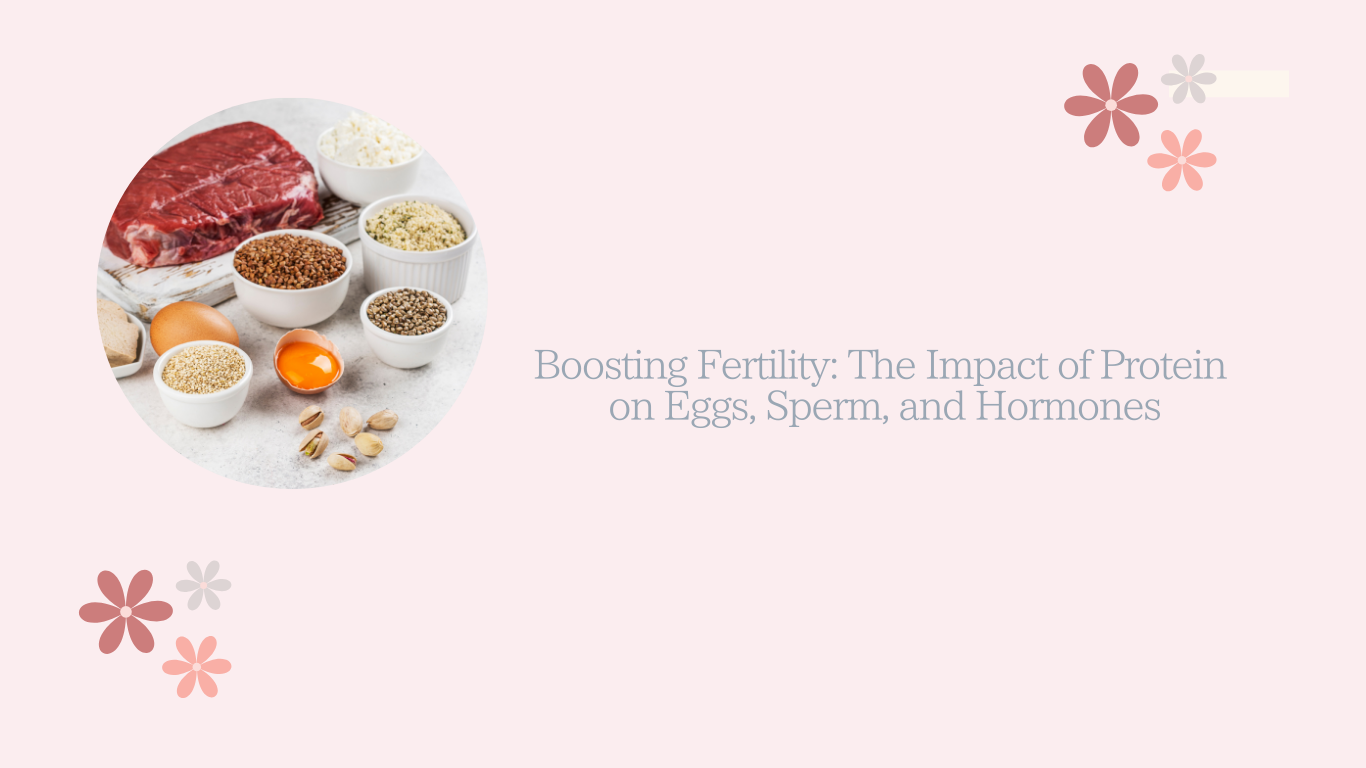
Protein is abundant in foods like meat, fish, dairy products, eggs, and soy products. For example, the following foods can help meet your daily protein needs:
- 1 Egg: Approximately 6g
- 100g Chicken Breast: Approximately 23g
- 1 pack Natto: Approximately 8g
- Half block Tofu (150g): Approximately 8g
- 200ml Milk: Approximately 7g
- 1 slice Salmon (80g): Approximately 17g
Use these examples as a reference to check if your daily meals provide sufficient protein.
How to Efficiently Consume Protein
Differences Between Animal and Plant-Based Proteins and How to Combine Them
Protein is categorized into “animal-based” (from meat, fish, eggs) and “plant-based” (from soy, grains).
- Animal-Based Protein: Characterized by a well-balanced profile of essential amino acids, making it easily utilized by the body. Examples include chicken breast, pork tenderloin, lean beef, salmon, mackerel, sardines, eggs, and yogurt.
- Plant-Based Protein: Offers benefits like fiber and isoflavones, which are beneficial during fertility treatments. Examples include tofu, natto, soy milk, okara, lentils, chickpeas, edamame, and brown rice.
Combining both animal and plant-based proteins in a balanced way, rather than relying on one type, optimizes amino acid profiles and enhances absorption efficiency.
Recommended Foods and Cooking Methods for Fertility Treatments
Choosing foods that provide not only protein but also other essential nutrients like folic acid, zinc, and vitamin D for fertility can be beneficial.
- Eggs: Rich in high-quality protein, vitamin D, folic acid, B vitamins, and zinc. Easily incorporated into meals as omelets, scrambled eggs, boiled eggs, or soup ingredients.
- Soy Products: Isoflavones in soy products mimic female hormones. Natto, tofu, miso soup, kinako (roasted soybean flour), and soy milk are easily incorporated into daily diets.
- Fish: Abundant in Omega-3 fatty acids like DHA and EPA, which help regulate hormone balance and improve blood circulation. Salmon, mackerel, sardines, and saury are recommended. Enjoy them baked, steamed, or boiled for a healthy meal.
- Meats (Chicken Breast, Lean Beef, etc.): High in protein and also contain iron and B vitamins. Can be used in stir-fries, stews, and other dishes.
Quick Meal Ideas for Busy Days
Even on busy work or household days, you can easily supplement your protein intake with these ideas:
- Breakfast: Add a boiled egg to toast with cheese, have natto with rice, or a yogurt drink.
- Lunch: Tuna pasta, a salad with chicken breast, or a bean and broccoli salad.
- Dinner: Mixed rice with small fish and shrimp, foil-baked salmon, or a soy milk soup with mushrooms and chicken.
Convenience store options like chicken breast, boiled eggs, unsweetened yogurt, soy milk drinks, and pre-packaged tofu or natto are also great for quick protein boosts. When choosing protein bars or drinks, opt for those low in sugar and fat.
Utilizing Protein Supplements and Supplements
Is it Okay to Use Protein Supplements During Fertility Treatments?
Consuming protein supplements during fertility treatments is generally acceptable and can be helpful for efficiently supplementing protein intake that might be lacking from diet alone. Protein supplements offer many benefits for fertility, including improving egg and sperm quality, regulating hormone balance, and enhancing basal metabolism and body temperature.
How to Choose and Precautions for Intake
When choosing protein supplements, consider the following points:
- Type of Protein: Animal protein sources include whey and casein proteins, while plant-based options include soy and pea proteins.
- Protein Content and Other Nutrients: Check the product label for sufficient protein content. Ideally, choose products with a balanced blend of nutrients important for fertility, such as folic acid, zinc, and vitamin D. However, be cautious of excessive vitamin A intake, which can increase the risk of fetal malformations; opt for products containing beta-carotene instead of vitamin A.
- Additives: Choose products with few or no artificial sweeteners, colorings, preservatives, or stabilizers.
- Timing of Intake: For fertility treatments, consuming protein supplements after breakfast or before bedtime is recommended. Taking them after breakfast provides energy for daily activities, while taking them before bed supports tissue repair and growth.
Smart Use of Supplements
Protein supplements are supplementary; a balanced diet should be the foundation. Use supplements to fill nutritional gaps that cannot be met through diet alone. For nutrients like folic acid, iron, zinc, vitamin D, and calcium, which are essential during fertility treatments, it can be difficult to obtain them sufficiently from diet alone. Fertility supplements that combine these nutrients can be a useful option.
Protein Intake During Fertility Treatments – Precautions and Common Misconceptions
Consequences of Excessive or Insufficient Intake
- Excessive Intake: Consuming too much of any nutrient can be burdensome to the body. Similarly, excessive protein intake can lead to digestive issues, metabolic abnormalities, and weight gain. Individuals with low activity levels may particularly risk obesity, which can negatively impact fertility. Adhere to recommended intake levels.
- Insufficient Intake: Protein deficiency can lead to decreased egg and sperm quality, hormonal imbalances, and deterioration of the uterine lining, among other negative effects on fertility. It can also result in weakened immunity and increased fatigue.
Food Safety Considerations (Raw Foods, Food Poisoning, Allergies, etc.)
During fertility treatments, be mindful of the risk of food poisoning. Raw meats, seafood, and eggs may contain harmful bacteria and viruses, so opt for thoroughly cooked foods. Pay special attention to Toxoplasma gondii and Listeria, which can pose serious risks to a fetus in early pregnancy.
Additionally, it is important to check for allergies to ingredients in protein products (e.g., milk or soy allergies) beforehand.
Balance with Other Nutrients is Crucial
While protein is vital for fertility, it’s not the only nutrient to focus on. Maintaining a balanced intake of carbohydrates, fats, vitamins, and minerals is essential. A diet lacking in variety or nutrients can increase the risk of infertility.
Add “One Extra Dish” for Fertility Boost: Daily Advice
Recommended Eating Habits to Make a Habit
To consciously increase protein intake in your daily meals, try these tips:
- Add Eggs or Dairy to Breakfast: Adding one boiled egg or a glass of milk (or soy milk) is an easy way to boost protein intake.
- Include Meat, Fish, or Soy Products for Lunch: Utilizing chicken breast, canned fish, or natto can help easily increase protein intake on busy days.
- Smart Snacking: Instead of snacks, opt for unsweetened yogurt, cheese, or nuts. Protein bars are also a good choice.
- Creative Cooking Methods: Dishes like stir-fries and stews that combine multiple ingredients allow for efficient nutrient intake.
Points for Sustainable Practices
- Start with “One Extra Dish”: Making drastic dietary changes can be difficult. Begin by simply adding one more protein-rich food to your daily meals.
- Utilize Convenient Foods: Convenience store and supermarket items like chicken breast, boiled eggs, natto, tofu, and canned fish are lifesavers on busy days.
- Enjoy Variety in Flavors and Preparation: To avoid boredom, try various seasonings and cooking methods. Using spices and herbs can also enhance flavor.
- Engage Your Partner: Fertility treatments are a journey for both partners. Reviewing your diet together and supporting each other can make the process more enjoyable and sustainable. Increased protein intake for men can also improve sperm quality.
Conclusion
Make Protein Your Ally for a Positive Fertility Journey
During fertility treatments, protein is an indispensable nutrient for maintaining the health of eggs, sperm, hormones, and the uterine environment. Adequate protein intake supports the creation of a body conducive to conception and positively impacts your future baby.
Towards a Better Fertility Diet
Protein is abundant in familiar foods such as meat, fish, eggs, dairy products, and soy products. It is important to consume these in a balanced way, consciously, every day. In today’s busy lifestyle, it can be challenging to meet all nutritional needs through diet alone. In such cases, consider using high-quality protein supplements or other supplements.
Fertility treatments require a comprehensive approach that includes sleep, moderate exercise, and stress management, in addition to diet. Approach this journey positively, enjoyably, and without excessive pressure.
[Addendum]
Isoflavones, found in soy products, are known to mimic the effects of female hormones (estrogen). While moderate intake can help regulate hormone balance, excessive consumption carries the risk of raising estrogen levels too high, potentially leading to hormonal imbalances. This, in turn, has been linked to an increased risk of irregular periods, ovulation disorders, and potentially conditions like endometriosis and uterine fibroids.
The Ministry of Health, Labour and Welfare recommends a daily intake of 70-75mg of soy isoflavones. It is important to limit intake of soy products like tofu, natto, and soy milk to about 2-3 servings per day and balance them with other protein sources (meat, fish, eggs, dairy products). By utilizing the benefits of isoflavones wisely and avoiding excessive intake, you can manage your health effectively.