To You Who Are Struggling with Fertility in Japan – Even With No Abnormalities in Tests… Proposals for Mind and Body Self-Care
Introduction
Purpose of This Article and Target Audience
This article is written for foreign residents in Japan who are facing difficulties with fertility treatments. It is particularly aimed at those who have been diagnosed with “no abnormalities” in general fertility tests but are still struggling to conceive. The goal is to provide self-care methods and support information available in Japan for those navigating fertility treatments from both a mental and physical perspective, while confronting language barriers, cultural differences, difficulties in obtaining information, and feelings of isolation.
The Reality for Foreigners Facing Fertility Issues in Japan
In recent years, the number of foreign residents in Japan has been increasing, and consequently, so has the number of foreigners having children and raising families in Japan. However, pregnancy, childbirth, and child-rearing in a foreign country come with various challenges, including language barriers, differences in the Japanese healthcare system, culture, and customs, lack of information, and isolation due to the absence of family and friends nearby. Understanding specialized medical terminology and the complexity of administrative procedures can be significant hurdles.
“No Abnormalities” But Still Can’t Conceive? – The Background
Infertility is defined as the inability to conceive after one year of unprotected sexual intercourse. Approximately 10% to 20% of couples experiencing infertility are diagnosed with “unexplained infertility.” This is a diagnosis used when modern medical standard tests cannot identify a cause, but it does not mean there is no cause.
Main Factors Hindering Conception
Conception involves a complex process of ovulation, fertilization, and implantation, all of which must occur normally. Even if standard fertility tests show no abnormalities, the following factors may be hindering conception:
- Luteinized Unruptured Follicle (LUF) Syndrome: A condition where the follicle luteinizes without ovulating.
- Mild Endometriosis or Peritubal Adhesions: These can cause ovum pickup problems or tubal dysfunction.
- Decreased Quality of Eggs or Sperm: Due to factors like aging, problems may arise in fertilization or embryo development.
- Implantation Dysfunction: The fertilized egg fails to implant properly in the uterine lining.
- Stress and Lifestyle Habits: Imbalances in hormone levels and overall physical and mental health can affect conception.
The Connection Between Stress and Mind-Body Well-being
Stress during fertility treatment can disrupt hormone balance and contribute to infertility. The situation of being unable to conceive despite having no abnormal test results can be a significant mental burden, leading to feelings of isolation and self-loathing. One might harbor complex emotions upon hearing of a friend’s or partner’s pregnancy, or be hurt by casual remarks from others. While it’s important not to get overly stressed, the very act of trying not to stress can itself become a source of stress.
Characteristics and Challenges of Testing and Medical Care in Japan
While Japan’s medical care is considered high quality, foreigners may face challenges such as:
- Language Barrier: While daily conversation may be possible, understanding specialized medical terminology can be difficult. Many medical institutions are unable to provide medical interpreters.
- Differences in the Medical System: Practices common in other countries, such as painless childbirth, are less common in Japan, and hospital stays may be shorter, leading to confusion about cultural and customary differences.
- Difficulty in Obtaining Information: Reliable medical information in languages other than Japanese is difficult to access.
- Costs and Insurance System: Fertility treatments can be expensive, and understanding Japan’s health insurance system and subsidy programs can be challenging. Although the scope of insurance coverage for fertility treatments expanded in April 2022, the complexity of the system sometimes deters people from using it.
Self-Care Proposals for Mind and Body
Even if no abnormalities are found in tests, it is possible to guide your body toward a state more conducive to pregnancy by harmonizing your mind and body. Here are some self-care suggestions tailored for life in Japan.
Tips for Improving Your Constitution – Diet, Exercise, Lifestyle Habits
Improving your daily lifestyle habits is crucial for building a body that is ready for pregnancy.
- Diet: Aim for a balanced diet. It is particularly recommended to actively consume folic acid, iron, and vitamin D, which reduce the risk of neural tube defects in the fetus. It’s also important to limit cold drinks and foods and incorporate seasonal ingredients.
- Exercise: Moderate exercise promotes blood circulation and improves nutrient supply to the ovaries and uterus. Incorporate exercises that you can continue without strain, such as walking or stretching.
- Sleep: Quality sleep helps regulate hormone balance and the autonomic nervous system, improving blood circulation. Create a relaxing environment, such as refraining from looking at your smartphone before bed.
- Vices: Smoking and excessive alcohol consumption reduce the quality of eggs and sperm, increasing the risk of infertility. Limit excessive caffeine intake as well.
How to Utilize Traditional Japanese Therapies like Acupuncture and Moxibustion
Japan has acupuncture and moxibustion, traditional forms of medicine passed down through generations. In fertility treatments, acupuncture and moxibustion can be an option to support the creation of a body that is more receptive to pregnancy by balancing the mind and body.
- Constitutional Improvement: In acupuncture and moxibustion, treatments are tailored to individual constitutions and symptoms. It is possible to address various discomforts that cause infertility, such as cold sensitivity, stress, and hormonal imbalances.
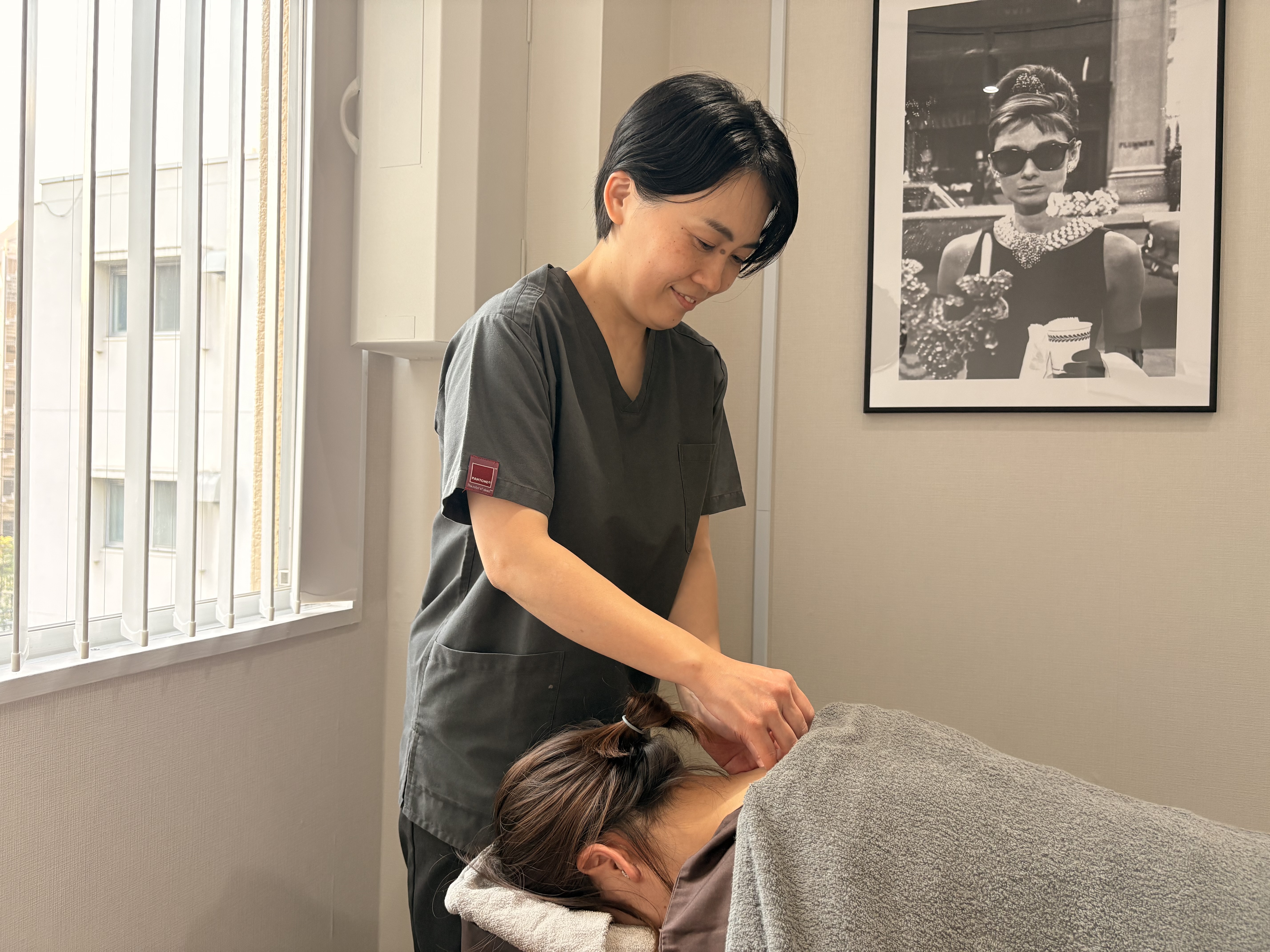
- BIRTH Acupuncture Ebisu offers treatments tailored to each patient’s physical condition and treatment status, assisting in creating a body that is conducive to pregnancy.
Facing Loneliness: Companionship and Support Communities
Fertility treatment can be a lonely time, but you are not alone.
- Cooperation with Your Partner: Fertility treatment is something that couples undertake together. It is important to share each other’s feelings and information and to cooperate.
- Utilizing Support Communities: In Japan, there are NPOs and communities that support pregnant women and families raising children who are foreign residents. Organizations like Mother’s Tree Japan offer consultation services in multiple languages, provide information, and create opportunities for interaction. Connecting with peers in similar situations can reduce feelings of isolation and provide information exchange and emotional support.
- Consultation Services: Municipalities and specialized institutions offer consultation services regarding fertility treatments. Some offer multilingual support and medical interpreter dispatch services, so consider utilizing them proactively.
Real Experiences and Gentle Advice
Experiences of Foreigners Undergoing Fertility Treatment in Japan
Some foreigners who have undergone fertility treatments in Japan have overcome difficulties due to language and cultural differences and have successfully conceived and given birth. They say that the support from NPOs, friends, and partners was invaluable. In particular, the use of translation apps and the presence of medical interpreters were of great help in communication at medical facilities.
What to Do When You Feel Lost and What Mindset to Adopt
If you feel lost or anxious during your fertility journey, try to keep the following in mind:
- Seek Medical Attention Early: If you haven’t conceived after one year of trying, or after six months if you are over 35, consult a specialist promptly. Even if the cause is unknown, examinations and treatments can expand your possibilities for conception.
- Information Gathering: It is important to obtain accurate knowledge from reliable medical information sources. Be cautious, as information on the internet can be a mix of good and bad.
- Stress Reduction: Don’t aim for perfection; incorporate self-care activities that you can continue without strain. Cherish your hobbies and time for relaxation, and strive to maintain peace of mind.
- Seek Support from Others: Don’t try to carry the burden alone. Consult your partner, friends, family, or specialized support organizations. There are people who will listen and empathize with you.
Conclusion
You Are Not Alone – Encouragement for Your Fertility Journey
Fertility treatment in Japan may involve numerous difficulties for foreigners due to differences in language, culture, and systems. However, you are by no means alone. Many people are undergoing fertility treatments while worrying and supporting each other. You may feel impatient or anxious, but let’s take one step at a time, starting with what you can do.
We, BIRTH Acupuncture are always here for you.